
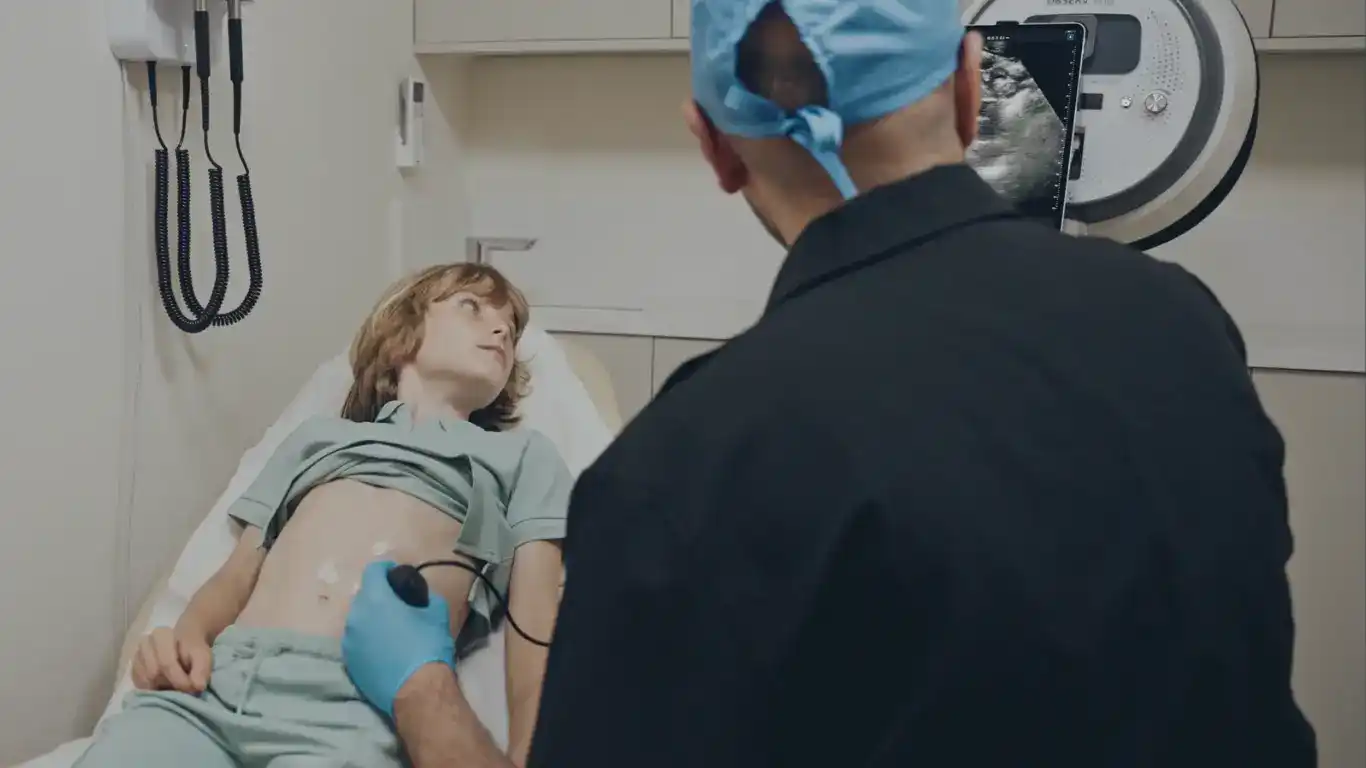
Head injury & concussion care at Taylor Grey
Private Head Injury & Concussion Assessment in Knightsbridge
If someone has lost consciousness, is vomiting repeatedly, has a severe headache, a seizure, confusion, weakness or a suspected neck injury, call 999 or go straight to A&E.
What we treat
To book your appointment, please get in touch with us.
Book Now
Phone: 020 8050 0777
Email: info@taylorgrey.com
Knocks to the head from sport, a fall or an accident, need a careful clinical eye. Our emergency practitioners provide same-day head-injury and concussion assessment, with clear return-to-sport and return-to-work guidance.
Minor head injuries in adults and children
Minor head injuries (bumps, knocks, falls without loss of consciousness and without red-flag symptoms) benefit from prompt clinical review to exclude more serious injury. Our emergency practitioners take a full history, perform a neurological examination and give you clear advice on observation, pain relief and when to seek further care.
Suspected concussion from sport, a fall or an accident
Concussion is a functional brain injury caused by a direct blow to the head, or a force transmitted to the head through the body. Diagnosis is clinical, based on symptoms such as headache, dizziness, confusion, memory change, nausea and balance problems, combined with a structured neurological exam.
Post-concussion symptoms (persistent headache, dizziness, fatigue)
Some patients continue to experience symptoms days or weeks after the initial injury, known as post-concussion symptoms. We assess ongoing headache, dizziness, sleep disturbance, fatigue, mood change and difficulty concentrating, and provide a structured plan for recovery and return to activity.
Return-to-sport and return-to-work decisions
Returning to sport or work too soon after a concussion raises the risk of a second injury and prolonged recovery. We issue a written graded return-to-play plan aligned with current UK guidance, plus a medical letter to share with coaches, schools or employers where needed.
Red-flag screening for serious injury requiring imaging
Red flags include loss of consciousness, repeated vomiting, severe or worsening headache, confusion, seizure, weakness, clear fluid from nose or ears and suspected neck injury. If any are present, we will direct you straight to A&E for emergency imaging. If not, we complete a full structured assessment in clinic.
Onward referral for CT or MRI where indicated
Imaging is not performed on site. Where CT or MRI is clinically indicated, we arrange a direct, same-day referral to a trusted partner imaging centre in central London, then review the results with you and plan next steps.
What to expect from us
The Taylor Grey process
- Same-day assessment — Book or walk in
- Clinical examination — Neurological exam, GCS, red-flag screen
- Diagnosis & plan — Concussion grading, symptom management, return-to-activity advice
- Onward imaging if needed — Direct referral pathway for CT/MRI
Pricing from
- Initial emergency practitioner assessment from £250
- GP assessment from £280
- Follow-up from £250
Phone: 020 8050 0777
Email: info@taylorgrey.com
Why Taylor GREY for Head Injuries & Concussions
Same-day assessment
No triage queue
emergency practitioner
Full neurological examination
Open 7 days a week
Walk-in, call or book online
Frequently Asked Questions
Still have questions?
Get in touch with us.
Phone: 020 8050 0777
Email: info@taylorgrey.com
When is a head injury serious?
Loss of consciousness, repeated vomiting, severe or worsening headache, confusion, weakness, seizure, clear fluid from nose/ears, or a suspected neck injury are all red flags and need A&E or 999 — not a private clinic. For less severe knocks, we offer same-day assessment.
What is concussion and how do you diagnose it?
Concussion is a functional brain injury from a blow to the head or body. Diagnosis is clinical, based on symptoms (headache, confusion, dizziness, balance, memory) and a structured neurological examination.
Do you scan the head on site?
No, imaging is not performed on site. If CT or MRI is clinically indicated, we arrange direct same-day referral to a partner imaging centre.
Can you assess children?
Yes. Paediatric head injuries are assessed via our Children's Urgent Care pathway, with additional vigilance for under-5s.
When can I go back to sport after a concussion?
We issue a written graded return-to-play plan based on current guidance. Most patients should avoid contact sport for at least a week after symptoms resolve.
What about return to work or school?
We provide a written plan and medical letter where needed.